Price level 93.7
South Carolina: dollar lines that decide who needs a license
The state sets two thresholds, $5,000 for a residential builder and $500 for specialty trades, and one residential code applies statewide.
By RenovaOak Editorial Team Updated 6 min read
- Price level
- 93.7 (U.S. = 100)
- Contractor license
- License above $5,000
- Contract rules
- No general statute found
In short
South Carolina draws its licensing lines in dollars. A residential builder needs a license when the cost of the undertaking exceeds $5,000, and specialty trades such as painting, drywall and carpentry must register above $500. Plumbers, electricians and HVAC installers need licenses. The statewide residential code is the 2021 edition with South Carolina changes. We found no general written-contract or deposit statute in the chapters we read.
South Carolina at a glance
How far 93.7 gets you
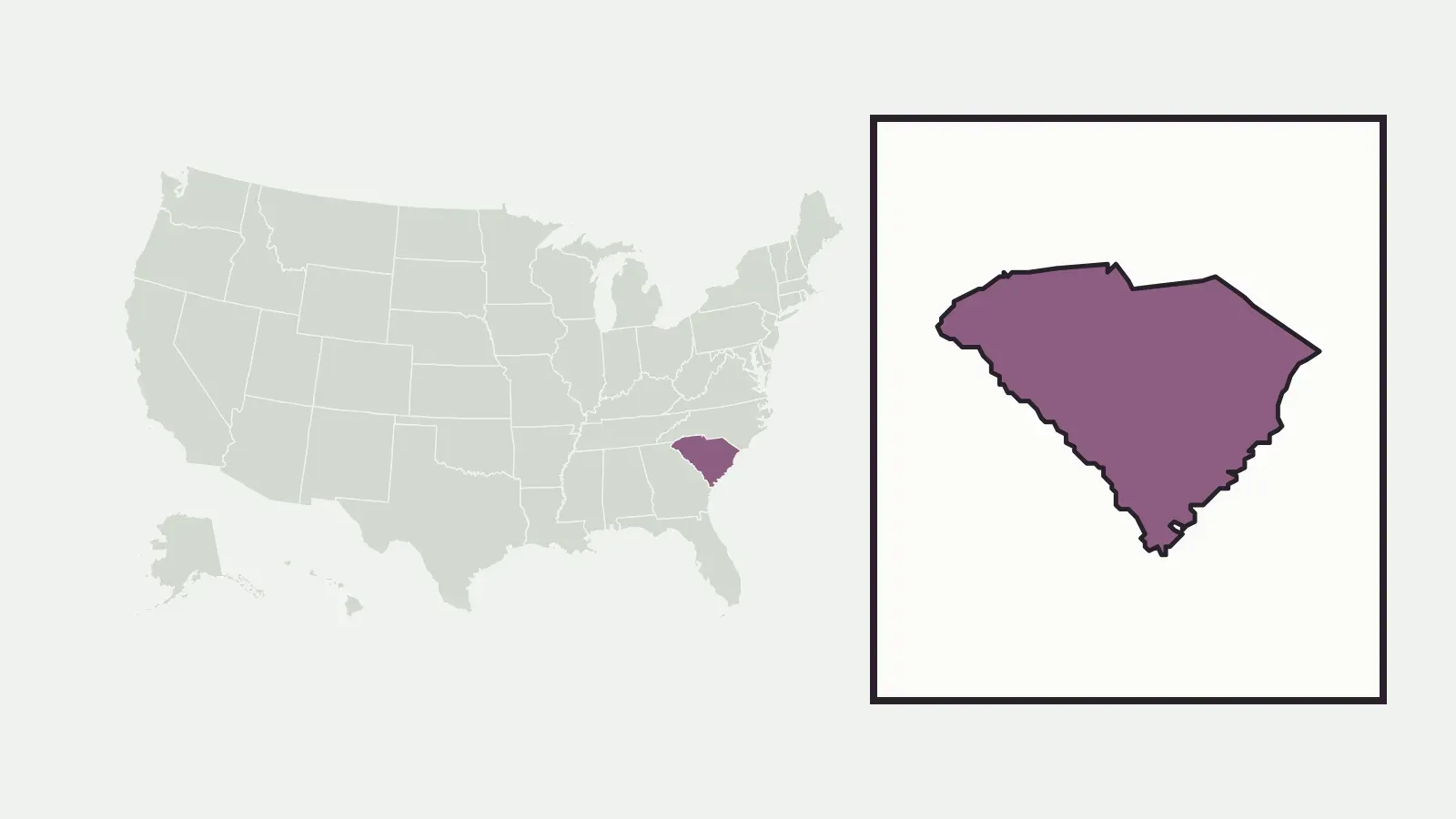
BEA's regional price parity for South Carolina was 93.7 for 2024, with the country at 100. That is the lower tier on the map here, 92 to 97.9.
The figure covers a household's whole shopping basket, rent included. It is not what a remodeler charges, and Charleston and Greenville do not share one labor market. Ask three firms for itemized written bids, then line them up in the quote check. To see what the trades earn near you, search the Bureau of Labor Statistics wage tables at data.bls.gov/oes.
Who may do the work
Chapter 59 of Title 40 of the state code covers residential builders and specialty contractors, and the Residential Builders Commission, part of the Department of Labor, Licensing and Regulation (LLR), administers it. The rules turn on the cost of the job.
| Work | Threshold | Requirement |
|---|---|---|
| Residential builder, up to three floors and 16 units | Over $5,000 | License |
| Specialty work such as painting, drywall, carpentry, masonry | Over $500 | Registration |
| Plumbing, electrical, heating and air conditioning | Over $500 | License |
An owner may build or improve their own residence without a license if they will live in it, it is not for sale or rent, and the owner signs the permit application. Selling or renting within two years is presumed to break that exemption, and the owner cannot hire unlicensed builders under it. Minor jobs such as painting and certain small repairs are exempt from both licensing and permits, with size limits in section 40-59-265.
Contract and payment rules
The licensing chapter does not set a general written-contract requirement or a deposit cap, so the contract you negotiate is the rulebook. Put in the scope, the finish allowances, the payment schedule and who pulls permits. The payment-schedule guide shows how to tie money to finished work.
One statutory right applies to credit sales made at your home. Under the Consumer Protection Code you may cancel a home solicitation sale until midnight of the third business day, and the contract must carry a notice headed "Buyer's right to cancel." That right belongs to sales on credit, so a cash deal may not qualify. A signed emergency statement can waive it once work has substantially started.
Permits and the statewide code
The Building Codes Council adopted the 2021 International Residential Code, with South Carolina modifications, on October 6, 2021. Local jurisdictions had to implement it by January 1, 2023, and counties and municipalities enforce it. Your local building department decides which interior jobs need a permit and inspection; the permit guide lists the common triggers. We did not check whether a newer edition is pending, so ask the office which edition it uses.
Lead-safe work in older homes
Lead rules in South Carolina are EPA's. If the house predates 1978 and a paid crew will cut, sand or scrape over six square feet of paint in any one room, the firm must be EPA-certified, and a window swap of any size counts. When a bidder waves this off, send them to the older-home guide.
Where to check and complain
- Look up the license or registration in the LLR licensee lookup for the Residential Builders Commission.
- Ask for proof of the bond: a residential builder must post at least $15,000 or show acceptable financial responsibility.
- Questions to the Commission: [email protected] or (803) 896-4696.
- Consumer complaints go to the Department of Consumer Affairs at (800) 922-1594 or through its online form.
Common questions
Do I need a license to remodel my own house in South Carolina?
An owner can build or improve their own home without a license if they occupy it, do not sell or rent it, and sign the permit application. Selling or renting within two years is presumed to violate that exemption.
At what dollar amount does a South Carolina contractor need a license?
A residential builder needs one when the cost of the undertaking exceeds $5,000. Specialty trades register above $500, and plumbers, electricians and heating and air installers are licensed.
Is a written contract required?
We found no general written-contract requirement in the licensing chapter. Get one anyway, and note that credit sales made at your home carry a three-business-day right to cancel.
Which residential code does South Carolina use?
The 2021 International Residential Code with South Carolina modifications, adopted October 6, 2021 and due for local implementation by January 1, 2023.
Sources
- South Carolina Code of Laws, Title 40, Chapter 59: Residential Builders
- LLR: Residential Specialty Contractor Registration
- LLR Building Codes Council: Building Codes in Effect for South Carolina (PDF)
- ICC NTA: South Carolina adoption of mandatory codes
- South Carolina Code of Laws, Title 37, Chapter 2: home solicitation sales
- South Carolina Department of Consumer Affairs
- EPA: Lead Renovation, Repair and Painting Program
- FRED: Regional Price Parities, All Items for South Carolina (BEA)
Checked November 19, 2026. We read the Chapter 59 and Chapter 37 statutes, the LLR registration and code pages, the ICC NTA summary and the Consumer Affairs page. We did not search the rest of the state code for a home-improvement contract rule, and we did not confirm whether a newer residential code edition is pending. BEA's next release is December 10, 2026. A second check on November 20, 2026 read the main official pages again; it could not prove the absence of a general contract statute or whether a newer code edition is pending.
Keep reading
-
Planning guide
Choosing a contractor
Scam signs, license and insurance checks, comparable written bids, contract basics and what to do in a dispute.
-
Planning guide
Permits for interior remodels
What usually needs a permit, what does not, a call script for your building department, and the inspection order.
-
Planning guide
Lead paint and asbestos in older homes
EPA's lead-safe rule, EPA's asbestos advice, and the testing and contract lines to settle before you open a wall.