Price level 98.9
Utah: a $7,000 license line, a lien-protection contract and a state lead program
Small jobs have an exemption with trade limits, and the written contract is how you earn protection from liens by unpaid subs.
By RenovaOak Editorial Team Updated 7 min read
- Price level
- 98.9 (U.S. = 100)
- Contractor license
- License at $7,000+
- Contract rules
- Lien-protection terms
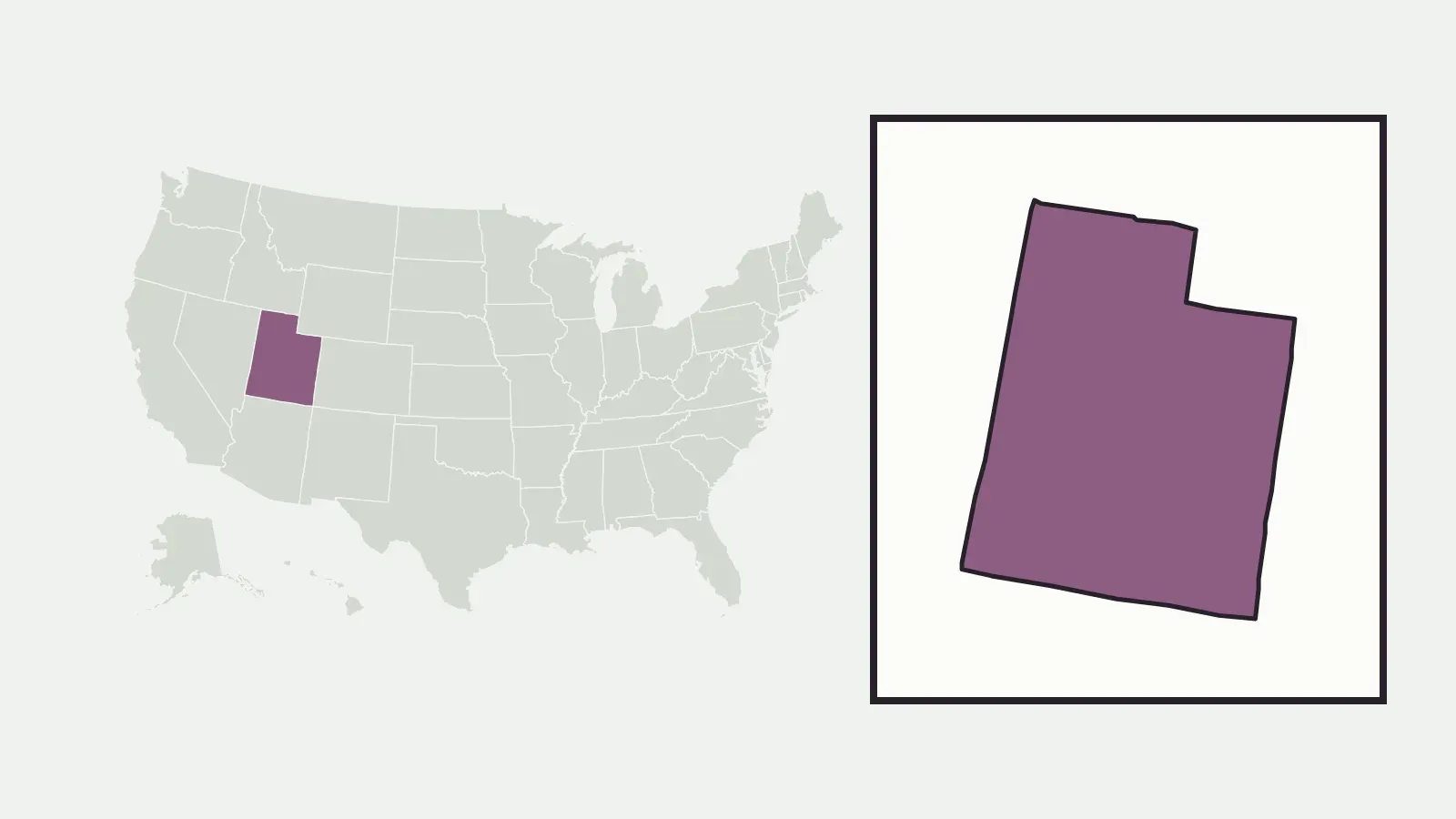
In short
Utah requires a contractor license from the Division of Professional Licensing (DOPL) for work valued at $7,000 or more. Below that, an exemption applies, but electrical, plumbing, gas, HVAC and similar systems still need licensed people. A written contract with the original contractor must explain what you must do to be protected from liens by unpaid subs. The state runs the lead-safe rule through its Division of Air Quality, and the statewide code is the 2021 IRC with Utah changes.
Utah at a glance
What 98.9 means for a remodel
BEA's regional price parity for Utah was 98.9 in 2024, against 100 for the country, so the state sits in the higher tier on this site's map (98 to 104.9) by less than a point.
The measure covers the full household basket, housing rent included. It does not tell you what a basement bath or a new floor will cost. Get three written bids and compare them in the quote check. BLS's OEWS data (data.bls.gov/oes) lets you look up wages by trade for your area.
Who may do the work
Utah licenses contractors under the Construction Trades Licensing Act, administered by DOPL. The section we read, 58-55-305 in the version dated May 7, 2025, exempts alteration, repair, remodeling and improvement work with a contracted or agreed value under $7,000, labor and materials together. Anything at that value or higher needs a license.
- Even under $7,000, plumbing and electrical systems must go to a licensed contractor, and a licensed journeyman may do work on a single component such as a fixture or outlet.
- Gas appliance, fire protection, alarm, HVAC and radon work must be done by people licensed or certified for it.
- Above $3,000, an exempt person must file a one-time affirmation of liability insurance, and of workers' compensation if it applies.
- A sole owner may build one residential structure a year on their own property for their own use, and unpaid helpers working under the owner's direction are exempt.
To verify a contractor, use DOPL's Verify a License tool, which also shows disciplinary actions. The contractor-hiring guide covers insurance, references and bids.
The contract and lien protection
Utah Code 38-11-108 requires the original contractor to state in the written contract what you must do to be protected under the Residence Lien Restriction and Lien Recovery Fund Act. The protection is against a mechanic's lien or other civil action by people who worked on the house and were not paid.
DOPL's fund page lists what a homeowner needs: a written contract with a licensed or licensure-exempt contractor, full payment to the original contractor under the contract, and occupancy of the home within 180 days of completion. The Act covers single-family homes and duplexes. The same page warns that the fund is at or near total depletion, so new claims are unlikely to be paid until it is replenished. In other words, do not count on the fund.
- DOPL's steps for hiring a contractor say to put the agreement in writing for any project size, with scope, price, start and end dates, who handles permits and proof of liability coverage.
- Pay as work is completed, and never in cash.
- Before final payment, collect signed lien releases from all suppliers and subcontractors.
The Department of Commerce also offers a Utah Residential Construction Agreement template to compare with a contractor's own form. We found no Utah statute capping deposits in the sources we read. See change orders and payment schedules for how to stage the money.
Permits and the statewide code
Title 15A of the Utah Code adopts the 2021 International Residential Code, with its Appendix AQ, as the state construction code. The section's July 1, 2026 and January 1, 2027 versions both list the 2021 edition for the residential code, although other books move to 2024 editions. Local building departments issue permits and inspect, and the permit guide lists the usual interior triggers. Your building official decides whether your job needs one.
Lead-safe work in older homes
Utah is one of the states EPA has authorized to run the renovation rule. The Department of Environmental Quality's Division of Air Quality runs the Lead-Based Paint Program for paid renovation, repair and painting, and it certifies individuals and firms and accredits training providers. Paid renovators must hold lead-safe certification, and firms are notified and certified through the state's ATLAS database. The program's page says homes built before 1978 likely contain lead-based paint.
Ask any bidder for the firm's Utah certification before work starts on an older house. The older-home guide explains the work practices, and the division's main line is (801) 536-4000.
Where to check and complain
- Verify the license and any discipline on DOPL's site before you sign.
- Compare the contract with the lien-protection requirement and the DOPL checklist above.
- File a complaint with DOPL, or with the Division of Consumer Protection for sales practices. DOPL's general line is 801-530-6628.
- The Department of Commerce has formed a residential construction fraud task force with a prosecutor in the Attorney General's Office.
Common questions
When do I need a licensed contractor in Utah?
For work valued at $7,000 or more, labor and materials together. Below that an exemption applies, but systems like electrical, plumbing, gas and HVAC still need licensed people.
What protects me from a lien if a subcontractor is not paid?
A written contract with a licensed or exempt contractor that explains what you must do, full payment to that contractor, and occupancy within 180 days. The Residence Lien Recovery Fund is nearly depleted, so lien releases are your practical protection.
Can I do my own remodel in Utah?
A sole owner has exemptions for building on their own property for their own use, and unpaid helpers under the owner's direction are exempt. Licensed trades are still required for systems like electrical and plumbing.
Who runs lead-safe renovation rules in Utah?
The Department of Environmental Quality's Division of Air Quality, under EPA authorization. It certifies renovators and firms working on older homes.
Sources
- Utah Code 58-55-305, exemptions from licensure (version dated May 7, 2025)
- Utah Legislature: H.B. 40 (2026), Construction Trades Licensing amendments (enrolled)
- Utah Code 38-11-108, notice of lien protection
- Utah Department of Commerce: Residence Lien Recovery Fund FAQs
- Utah DOPL: steps to hiring a contractor
- Utah Department of Commerce: Residential Construction Fraud Task Force
- Utah Code 15A-2-103, adopted codes (versions effective July 1, 2026)
- Utah DEQ: Lead-Based Paint Program
- EPA: Lead Renovation, Repair and Painting Program
- FRED: Regional Price Parities, All Items for Utah (BEA)
Checked November 19, 2026. We read the cited sections of the Utah Code, the first 100,000 characters of the enrolled H.B. 40 and the DOPL, Commerce and DEQ pages. We did not confirm H.B. 40's effective date or whether the lien fund is being replenished, and we did not find a Utah statute capping deposits. BEA's next release is December 10, 2026. A second check on November 20, 2026 read the main official pages again; it did not re-check H.B. 40.
Keep reading
-
Planning guide
Choosing a contractor
Scam signs, license and insurance checks, comparable written bids, contract basics and what to do in a dispute.
-
Planning guide
Lead paint and asbestos in older homes
EPA's lead-safe rule, EPA's asbestos advice, and the testing and contract lines to settle before you open a wall.
-
Planning guide
Permits for interior remodels
What usually needs a permit, what does not, a call script for your building department, and the inspection order.