Price level 94.1
Wisconsin: dwelling contractor certification, home improvement contracts and the UDC
Wisconsin certifies a contractor's finances and insurance, not trade skill, and its consumer agency has firm rules on contracts.
By RenovaOak Editorial Team Updated 7 min read
- Price level
- 94.1 (U.S. = 100)
- Contractor license
- Certificate for permits
- Contract rules
- Written if paid first
In short
Wisconsin does not run a general remodeler's skills license. A contractor who pulls building permits for work on a one- or two-family home needs a Dwelling Contractor certificate, which proves a bond or insurance, and continuing education. The state's consumer agency says a written contract is required whenever payment comes before the work, and that you have three business days to cancel a contract over $25 signed away from the contractor's place of business. The state, not EPA, runs the lead-safe rule. A price level of 94.1 is not a remodeling quote.
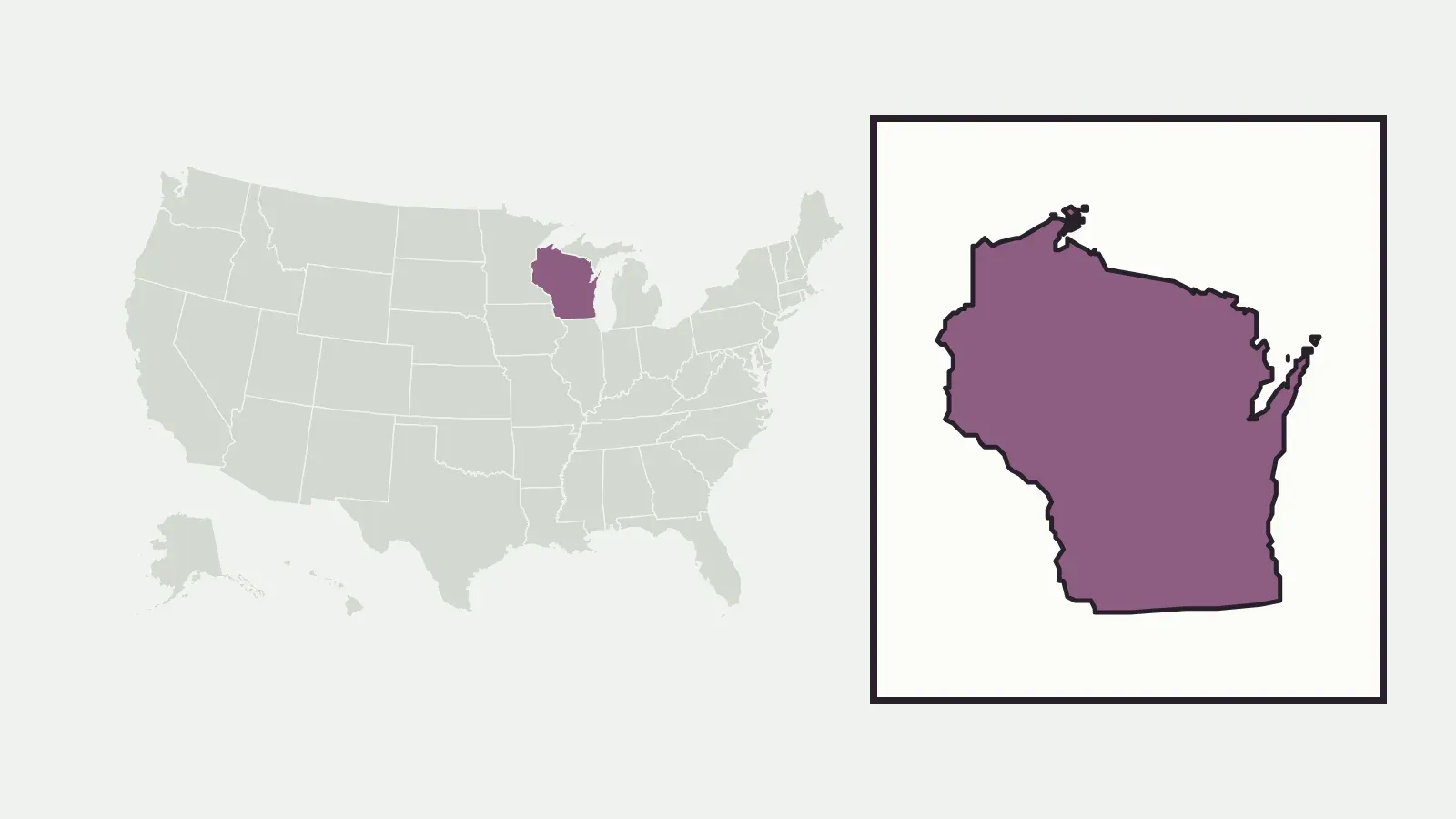
Wisconsin at a glance
What the 94.1 price level means
BEA's 2024 regional price parity gives Wisconsin 94.1, where the whole country is 100. On this site's map, that is the 92 to 97.9 band. Behind the figure is a basket of everyday household spending, with rent in it. A remodel is a different purchase, so the number is not a remodeling price and cannot predict your bids.
Get three written bids and set them side by side in the bid comparison tool. The Bureau of Labor Statistics posts wages for carpenters, electricians and plumbers by area at data.bls.gov/oes; check your metro or nonmetro area there. BEA's next release is December 10, 2026.
Who may do the work
Wisconsin Statute 101.654 ties the credential to the permit: a person may not obtain a building permit for a dwelling unless they hold a Dwelling Contractor certificate of financial responsibility from the Department of Safety and Professional Services (DSPS). The department's consumer guide pairs it with a Dwelling Contractor Qualifier certification for general construction on one- and two-family homes. Together they show workers' compensation, unemployment insurance, and insurance or a bond.
- The statute asks for a surety bond of at least $5,000 or general liability insurance of at least $250,000 per occurrence; the statute lists them as alternatives.
- Holders take at least 12 hours of approved coursework, including lien law, and 12 hours of continuing education every two years.
- An owner who lives, or will live, in the dwelling is exempt when applying for a permit on it.
That is a safety net, not a skills test. Ask to see the certificate, and phone DSPS at 608-266-2112 if you cannot confirm it. The broader checklist is in choosing a remodeling contractor. Trade licenses for electrical and plumbing work were not checked for this page.
Contracts, deposits and your right to cancel
The Department of Agriculture, Trade and Consumer Protection (DATCP) enforces the home improvement rules in chapter ATCP 110. Its consumer guide says that if any payment is due before the work is done, a written contract is required. We could not open the rule text itself, so the guide is the source here.
- Make sure the contract names the company with a street address, not only a post office box.
- Require a full job description, a materials list with brand, size and model, and the total price including finance charges.
- Fix start and completion dates, and get warranties and their limits in writing.
- Ask for lien waivers signed by the contractor and each subcontractor or supplier every time you pay.
The guide gives no deposit percentage. It says to hold final payment until you are satisfied the work matches the contract. Link every payment to a stage, and see change orders and payment schedules for how.
Permits and the Uniform Dwelling Code
The state's building rules for one- and two-family homes are the Uniform Dwelling Code, chapters SPS 320 to 325. They apply statewide to dwellings built on or after June 1, 1980. Additions and alterations to those homes must meet the code in effect when the permit application is filed. Repairs and maintenance are exempt from the code. A model code edition is not named in the sections we read, so confirm it with your inspector.
For older houses, the state leaves it to the municipality: a town may adopt the same chapters for alterations by ordinance. Municipal inspectors who enforce the code must be state-certified. Whether your job needs a permit depends on both the code and local rules, so use permits for interior remodels as a question list when you call city hall.
Lead-safe work in older homes
EPA has authorized the Department of Health Services (DHS) to run Wisconsin's lead-safe renovation rule. It covers homes and child care centers built before 1978. Both the company and the individual must be certified before doing most paint-disturbing work, which DHS says includes paint scraping, window replacement and remodeling, and includes offering to do such work.
DHS's page, revised August 5, 2026, gives no square-foot trigger and does not say whether homeowners doing their own work are covered; its rule is chapter DHS 163. Read lead paint and asbestos in older homes for the general risks.
Where to check and complain
Contractor credentials go to DSPS. For contract and consumer problems, the DATCP Bureau of Consumer Protection takes complaints at 800-422-7128 or [email protected].
Common questions
Does Wisconsin license remodelers?
Not with a skills exam. A contractor who obtains building permits for a one- or two-family home needs a Dwelling Contractor certificate, which proves a bond or insurance, and education.
When do I need a written contract in Wisconsin?
DATCP's guide says a written contract is required if any payment is due before the work is done. Get one even when you will pay afterward.
Can I cancel a contract I signed at my kitchen table?
For contracts over $25 signed at your home or away from the contractor's regular place of business, Wisconsin gives you three business days. Mail the signed and dated notice before midnight of the third business day.
Does the Uniform Dwelling Code apply to my 1950s house?
Not by state law, which starts at June 1, 1980. Your municipality may apply it by ordinance, so ask the local building office.
Sources
- BEA regional price parities (release BEA 26-10), as published on FRED
- Wisconsin Statutes 101.654: dwelling contractor financial responsibility
- DATCP: home improvement consumer tips (PDF)
- Wisconsin Administrative Code SPS 320: scope of the Uniform Dwelling Code (register insert)
- DSPS: SPS 320 commentary (PDF)
- Wisconsin DHS: Lead-Safe Renovation Rule
- EPA: Lead Renovation, Repair and Painting Program
Checked November 19, 2026. We read the pages above. DSPS's main web pages sit behind a validation screen and the legislature's ATCP 110 page blocked fetching, so contract rules come from DATCP's consumer guide and not the rule text. The model code edition behind the Uniform Dwelling Code was not confirmed, and we did not open the FRED page for Wisconsin. Trade licenses and local permit rules were not checked. A second check on November 20, 2026 read the main official pages again; it did not re-check the code edition.
Keep reading
-
Planning guide
Choosing a contractor
Scam signs, license and insurance checks, comparable written bids, contract basics and what to do in a dispute.
-

Planning guide
Change orders and payment schedules
Put every change in writing, understand allowances and contingency, and pay in a way that protects you.
-
Planning guide
Permits for interior remodels
What usually needs a permit, what does not, a call script for your building department, and the inspection order.